Introduction
In the last decade, Singapore has quietly transformed into one of the world’s leading capitals for medical aesthetics. The conversation around beauty has shifted. It is no longer solely about “fixing” flaws or chasing unrealistic standards of perfection. Instead, the modern approach focuses on “positive ageing”, the concept of maintaining skin health, restoring lost volume, and boosting self-confidence through evidence-based medicine.
For residents and medical tourists alike, the sheer number of options can be confusing. From Orchard Road to the heartlands, clinics offer a vast array of lasers, needles, and devices. But not all treatments, and not all providers are created equal. Whether you are a corporate professional seeking a subtle refresh or someone dealing with chronic skin conditions like acne or melasma, understanding the landscape of the aesthetic clinic Singapore is the first step toward a safe and successful outcome.
This guide serves as your central resource. We will break down the regulations that keep you safe, the science behind the most popular treatments, and how to navigate the industry to find the best care for your needs.
What is an Aesthetic Clinic? An aesthetic clinic in Singapore is a medical facility registered with the Ministry of Health (MOH). Unlike beauty spas, these clinics are led by qualified doctors who use medical-grade equipment and pharmaceuticals to treat skin and body concerns. They operate under strict ethical guidelines, bridging the gap between non-invasive beauty treatments and plastic surgery.
Table of Contents
- The Singapore Standard: Why Global Patients Choose Singapore
- Medical Aesthetics vs. Traditional Beauty Spas
- Core Pillars of Aesthetic Medicine
- Navigating Your Options: How to Choose Wisely
- Addressing Key Concerns: A Condition-Based Overview
- The Cost of Aesthetic Treatments in Singapore
- Frequently Asked Questions
- Conclusion
The Singapore Standard: Why Global Patients Choose Singapore
When it comes to medical procedures, safety is paramount. Singapore’s reputation for medical excellence is not accidental; it is the result of rigorous government oversight and high professional standards.
The Role of the Ministry of Health (MOH) & SMC
The aesthetic industry in Singapore is tightly regulated by the Ministry of Health (MOH) and the Singapore Medical Council (SMC). with patient safety taking precedence over commercial interests.
The SMC’s “Ethical Code and Ethical Guidelines” mandates that doctors must prioritise the patient’s interest. This means a doctor cannot promise guaranteed results (as medical outcomes vary) and must be transparent about downtime and risks. This regulatory framework is a significant reason why international patients trust Singapore over other regional hubs where regulations might be more lax.
Understanding “LCP” (Letter of Credentialing and Privileging)
One of the most critical terms you should know is LCP. In Singapore, having a medical degree is not enough to perform aesthetic procedures. Doctors must undergo additional training and obtain a Letter of Credentialing and Privileging (LCP) for specific procedures.
For example, a doctor might be credentialed to perform chemical peels but not liposuction. This system ensures that the physician handling your treatment has proven competency in that specific technology. When you visit a clinic, you are entitled to ask if the doctor is LCP-certified for the specific procedure you are considering.
Medical Aesthetics vs. Traditional Beauty Spas
A common point of confusion for consumers is the difference between a “Medispa” (or beauty salon) and a Medical Aesthetic Clinic. While the environments may look similar with calm lighting, comfortable beds, the capabilities are vastly different.
Depth of Treatment
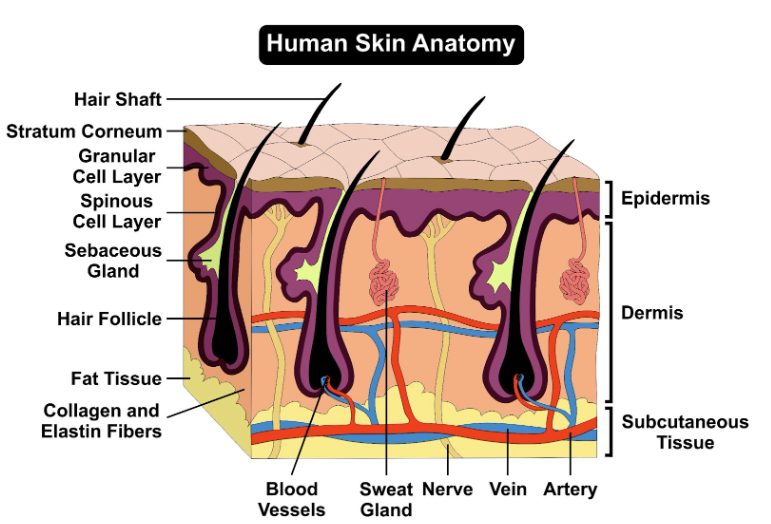
Beauty salons generally treat the epidermis (the outermost layer of the skin). Their treatments such as traditional facials, extraction, and light massages are excellent for relaxation and superficial hygiene.
Medical aesthetic clinics, however, treat the dermis and deeper structural layers (fat pads and muscle). Doctors use technologies that penetrate the skin barrier to stimulate collagen production, remodel tissue, or physically alter fat cells. Because these treatments breach the skin or affect deep tissue, they carry medical risks and require medical management.
Technology Grades
The equipment used in a medical clinic is FDA-approved or CE-marked for medical use. For instance, a “laser” facial in a beauty salon usually uses low-powered IPL (Intense Pulsed Light) that operates at safe, non-medical energies. In contrast, a medical clinic uses high-powered Class 4 lasers (like Pico or Q-Switch lasers) that can physically shatter pigment or resurface skin. These devices are powerful tools that require precise calibration by a doctor to avoid burns or scarring.
Core Pillars of Aesthetic Medicine
Aesthetic medicine is a broad field. To understand what is available, it helps to categorise treatments into three main pillars: Skin, Injectables, and Body.
1. Skin Rejuvenation & Lasers
This category covers the quality and texture of the skin. It includes treatments for pigmentation, acne, scarring, and general dullness.
- Lasers: Devices like Q-Switched and Pico lasers use sound and light energy to break down melanin (pigment) or stimulate collagen.
- Energy Devices: Technologies like Radiofrequency (RF) and High-Intensity Focused Ultrasound (HIFU) heat the deep layers of the skin to tighten loose tissue without surgery.
- Chemical Peels: Medical-grade acids exfoliate the dead skin layers to reveal fresh, unblemished skin underneath.
For a deeper look into specific treatments for different skin types, you can explore our detailed guide on the various modalities available.
- Injectables
Injectables offer a way to shape, lift, and restore without the scalpel.
- Neuromodulators (Botox/Xeomin): These relax the muscles that cause dynamic wrinkles (like frowning or squinting).
- Dermal Fillers: Gel-like substances (usually Hyaluronic Acid) injected to restore lost volume in cheeks, lips, and temples.
- Skin Boosters & Bio-Stimulators: Unlike fillers which add volume, these (like Profhilo or Rejuran) are injected to hydrate the skin from within and repair the skin matrix.
3. Body Contouring & Wellness
Modern aesthetics extends below the neck. Body treatments focus on two main areas: fat reduction and muscle toning.
- Fat Reduction: Technologies like Cryolipolysis (fat freezing) or Laser Lipolysis target and destroy fat cells, which the body then naturally eliminates.
- Muscle Building: High-Intensity Electromagnetic technology induces supramaximal contractions to build muscle fibers in the abdomen or buttocks.
Navigating Your Options: How to Choose Wisely
With hundreds of clinics in Singapore, how do you find the “right” one? The shiny Instagram ad is rarely the best indicator of medical quality.
The Importance of a Tailored Approach
The most common mistake patients make is asking for a specific machine rather than a solution to a problem. You might ask for “Laser X” because an influencer used it, but if your skin type or condition is different, that laser could be ineffective or even harmful.
A quality clinic begins with a diagnosis. The doctor should analyse your bone structure, skin quality, and lifestyle before prescribing a protocol. This prevents the “overdone” look and ensures your investment yields results.
We have compiled a dedicated resource to help you evaluate doctors, understand the consultation process, and spot the signs of a trustworthy practice. Read the full guide on How to Choose the Right Aesthetic Treatment or Doctor
Red Flags to Watch Out For
- Hard Selling: If a consultant pressures you to sign a 10-session package before you’ve seen the doctor, walk away.
- Unrealistic Promises: Phrases like “permanent removal” or “guaranteed results” are red flags and often violate SMC guidelines.
- No Doctor Interaction: If the doctor only pops in for 2 minutes to do the injection without discussing your history, safety protocols are being skipped.
Addressing Key Concerns: A Condition-Based Overview
Rather than browsing a menu of services, it is often more helpful to look at the conditions that aesthetic clinics commonly treat.
The Ageing Face (Sagging & Volume Loss)
Ageing is a multi-layered process.
- Bone Resorption: We lose bone mass in our skull, causing the overlying skin to sag.
- Fat Loss: The fat pads in our cheeks deflate and slide down, creating jowls.
- Collagen Depletion: The skin becomes thinner and less elastic. The Solution: A combination approach is usually best. Fillers replace deep structural support (simulating bone), while energy devices (Ultraformer MPT) tighten the skin envelope.
Textural Issues (Scars & Pores)
Acne scars and large pores are textural issues caused by damage to the collagen matrix. The Solution: The skin needs to be “injured” in a controlled way to trigger repair. Fractional lasers or microneedling create microscopic channels in the skin, forcing the body to produce new, smooth collagen to heal the area.
Pigmentation (Melasma & Sun Spots)
Pigment issues are notoriously difficult to treat, especially in Asian skin types which are prone to rebound hyperpigmentation. The Solution: Doctors often use a “low and slow” approach with lasers, combined with topical creams and strict sun protection, to gently break down pigment without irritating the skin cells.
The Cost of Aesthetic Treatments in Singapore
Pricing is a common query, but it is difficult to give a single number because aesthetic medicine is highly personalised. However, understanding the factors that influence cost can help you budget.
Factors Influencing Price
- Doctor’s Experience: A senior physician with decades of experience and specialised LCP credentials may charge a premium for their expertise and technique.
- Technology: Original, FDA-approved devices (like Ultherapy or Thermage) rely on expensive consumables (transducers/tips) that cost the clinic money every time they are used. “Cheap” alternatives often use counterfeit or generic machines that lack the safety mechanisms of the originals.
- Product Quality: Authentic injectables (like Botox from Allergan) have a fixed cost. If a clinic offers injectables at a “too good to be true” price, they may be using diluted product or parallel imports which are not safety-guaranteed.
Value vs. Cost
In aesthetic medicine, the cheapest option is often the most expensive in the long run. Poorly executed treatments can lead to complications (burns, asymmetry, infections) that cost significantly more to fix than the original procedure. Investing in a reputable clinic ensures you are paying for safety, hygiene, and genuine results.

Frequently Asked Questions
- Is aesthetic treatment painful? Pain tolerance varies, but clinics prioritise comfort. Numbing cream is applied before most laser and needle treatments. For deeper procedures, oral painkillers or local anesthetic blocks can be used. Most patients describe treatments as “tolerable discomfort” rather than painful.
- How much downtime should I expect? This depends on the intensity of the treatment.
- Zero Downtime: Botox, simple facials, and some body contouring. You can return to work immediately.
- Social Downtime (1-3 days): Mild redness or swelling from fillers or light lasers.
- Medical Downtime (5-7 days): Peeling, scabbing, or significant swelling from strong resurfacing lasers or chemical peels.
- Are the results permanent? Surgical results (like a facelift) last many years, but non-invasive aesthetic treatments are generally temporary.
- Botox: 3-4 months.
- Fillers: 9-18 months.
- Ultherapy/HIFU: 12-18 months.
- Lasers: Results can be permanent (e.g., scar removal), but maintenance is needed to prevent new issues (e.g., new sun spots).
Conclusion
The world of aesthetic medicine offers powerful tools to help you look as vibrant as you feel. But these tools are only as good as the hands that wield them. Singapore’s rigorous standards provide a safe environment for these procedures, but the responsibility still lies with the patient to choose wisely.
At Asimont Clinic, we believe in the power of education. We encourage you to ask questions, verify credentials, and understand the science behind your treatment. Whether you are ready to start a preventative skincare regimen or seeking a restorative procedure, the journey to confidence begins with a single, well-informed step.
Ready to explore your options? Book a no-obligation consultation with our medical team today to discuss a personalised plan for your aesthetic goals.