Introduction
You have booked the appointment, endured the mild discomfort, and invested in your skin. Now, the waiting game begins. Unlike a haircut or a manicure, High-Intensity Focused Ultrasound (HIFU) does not deliver its “final look” the moment you step out of the clinic. It is a biological investment that pays dividends over time.
For many patients exploring HIFU Singapore, the biggest question isn’t just “does it work,” but “how long until I see it working?” and “how long will it stay?” This guide moves beyond the generic brochure answers to give you a realistic, biological timeline of what happens beneath your skin after that first pulse of energy.
The Short Answer
While you may see a temporary “plumping” effect immediately, true structural results from HIFU typically take 2 to 3 months to appear. Once achieved, these results generally last between 12 to 18 months. The longevity depends heavily on your body’s natural rate of collagen depletion and lifestyle factors like sun exposure and smoking.
Table of Contents
- The “Slow Burn”: Understanding the Collagen Cycle
- Your Personal Results Timeline (What to Expect)
- Factors That Affect Longevity
- Maintenance: When to Book Your Next Session
- FAQ: Common Concerns About Duration
- Conclusion
The “Slow Burn”: Understanding the Collagen Cycle
To manage your expectations, you need to understand what the machine is actually doing. HIFU is not a “filler” that adds volume instantly. It is a catalyst.
Why You Don’t See Results Immediately
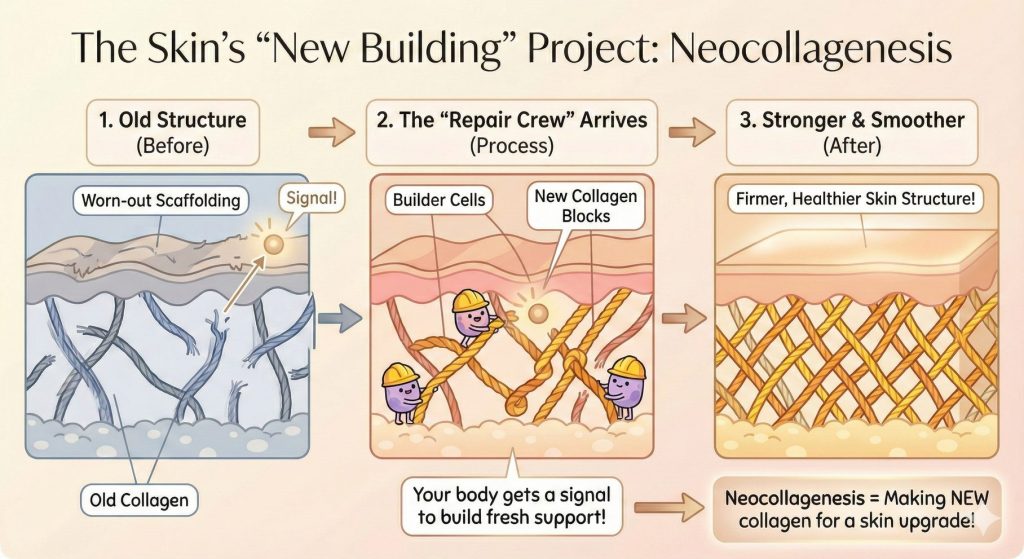
When the focused ultrasound energy hits the deep SMAS layer of your face, it creates controlled thermal coagulation points. Essentially, it “injures” the old, stretched-out collagen fibers. Your body’s immune system responds by rushing to repair this area.
This repair process, called neocollagenesis, is slow. It involves removing the old, damaged tissue and weaving new, tighter collagen fibers. This biological construction project takes time, which is why you won’t wake up the next morning looking five years younger.
Your Personal Results Timeline (What to Expect)
Every face is different, but the biological phases of healing are consistent. Here is the typical trajectory for a patient using a modern device like the Ultraformer MPT.
The First 24 Hours: The “Cinderella” Effect
Immediately after treatment, your face might look lifted and feel tight. This is often called the “Cinderella Effect.” It is caused by mild thermal swelling and the immediate contraction of existing collagen fibers due to heat.
Reality Check: This initial lift will likely fade within 3-4 days as the swelling subsides. Don’t panic; this is normal. The real work is just starting underground.
Month 1-3: The Structural Shift
This is the “trust the process” phase. You might not notice changes day-to-day, but friends might start asking if you’ve lost weight or changed your makeup.
- Texture: Fine lines start to soften.
- Contour: The jawline begins to feel sharper as the deep layers tighten.
- Feel: Your skin may feel firmer or denser when you touch it.
Month 6: The Peak Outcome
By the six-month mark, the new collagen matrix is fully formed and matured. This is your “Peak Result.” The lifting effect is at its maximum, and the skin is visibly tighter. This is the best time to take your “after” photos to compare with your baseline.
Factors That Affect Longevity
Why does one person’s lift last 18 months while another’s fades in 9? It usually comes down to three variables.
Biological Age vs. Skin Age
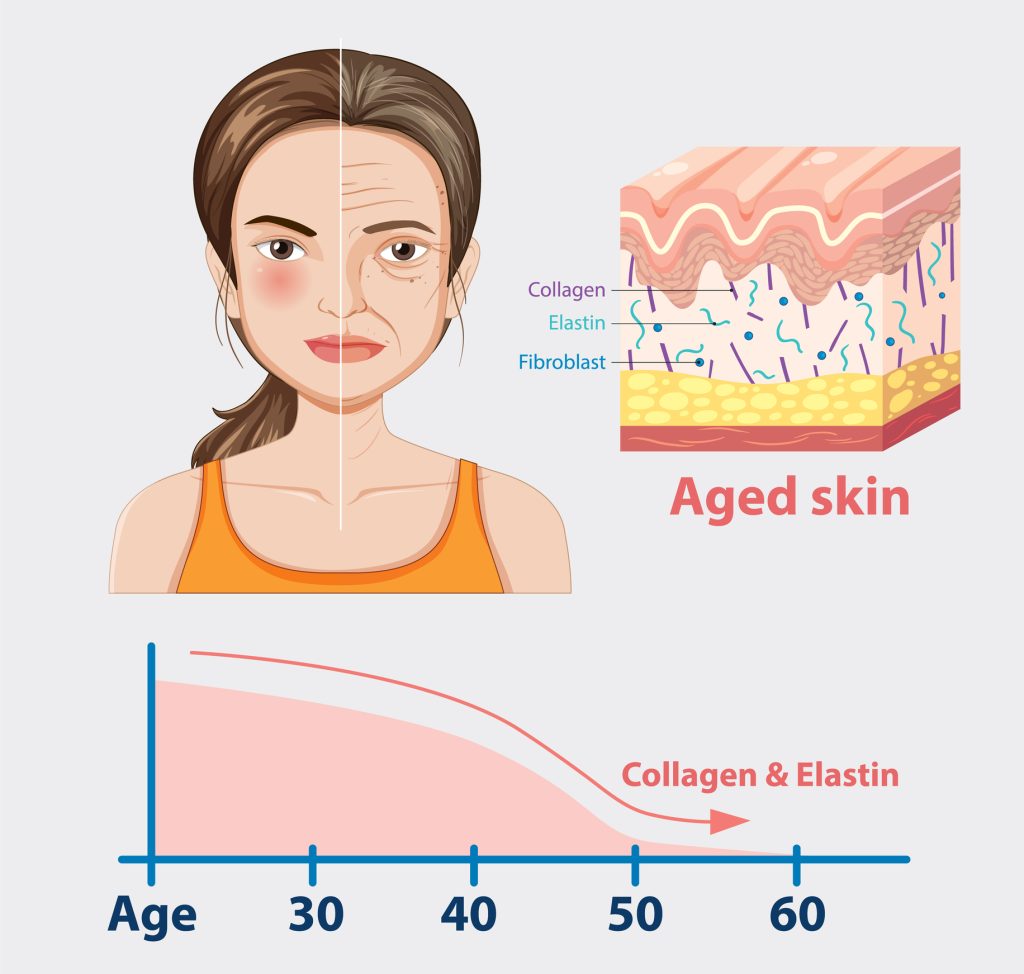
Your body’s ability to produce collagen slows down as you age. A 30-year-old’s machinery is more efficient than a 60-year-old’s.
- Patients in their 30s: Often see results lasting 18+ months (preventative).
- Patients in their 50s: May see results taper off around the 12-month mark (restorative).
Lifestyle Saboteurs
You can undo the benefits of HIFU if you aren’t careful.
- Sun Exposure: UV rays break down collagen faster than HIFU can build it.
- Smoking: Nicotine constricts blood vessels, starving your skin of the oxygen needed for repair.
- Sugar Intake: High sugar leads to glycation, which makes collagen stiff and brittle.
The Device Used
Not all “HIFU” is the same. Medical-grade devices like the Ultraformer MPT deliver energy more precisely and densely than salon-grade devices. A higher density of energy usually equates to a stronger, longer-lasting collagen response.
Maintenance: When to Book Your Next Session
Maintenance is about sustaining the peak, not waiting for the crash. You don’t want to wait until your face has returned to its original state before booking again.
The Ideal Frequency
- For Maintenance (Ages 30-40): Once every 12 to 18 months is usually sufficient to keep gravity at bay.
- For Correction (Ages 45+): You might benefit from a “booster” session at the 6-month mark, followed by annual treatments.
Can You Do It Too Often?
Yes. Doing HIFU every 3 months is unnecessary and can be counterproductive. Your skin needs time to complete the healing cycle. Over-treating can lead to scar tissue formation or unnecessary fat loss in areas where you want to keep volume (like the cheeks). Always follow the timeline recommended by your doctor.
FAQ: Common Concerns About Duration
Will my face sag worse once it wears off?
No. This is a common myth. When the effects of HIFU wear off, your skin simply returns to the ageing process from a “younger” starting point. You will still be better off than if you had never done the treatment at all.
Can I combine it with other treatments to make it last?
Absolutely. Many doctors recommend a combination approach. For example, using Profhilo or Skinboosters can hydrate the skin and provide a better environment for collagen production, potentially enhancing the radiance and longevity of your HIFU results.
Conclusion
HIFU is a marathon, not a sprint. The timeline requires patience, but the payoff is a natural, structural lift that looks like you, just refreshed. By understanding the 3-6 month growth phase, you can set realistic expectations and plan your maintenance effectively.
If you are approaching the 6-month mark and love what you see, or if you are just starting your journey and want to map out a long-term plan, a professional consultation is the next logical step.
Is HIFU right for you? Find Out in a 1-on-1 Consultation.